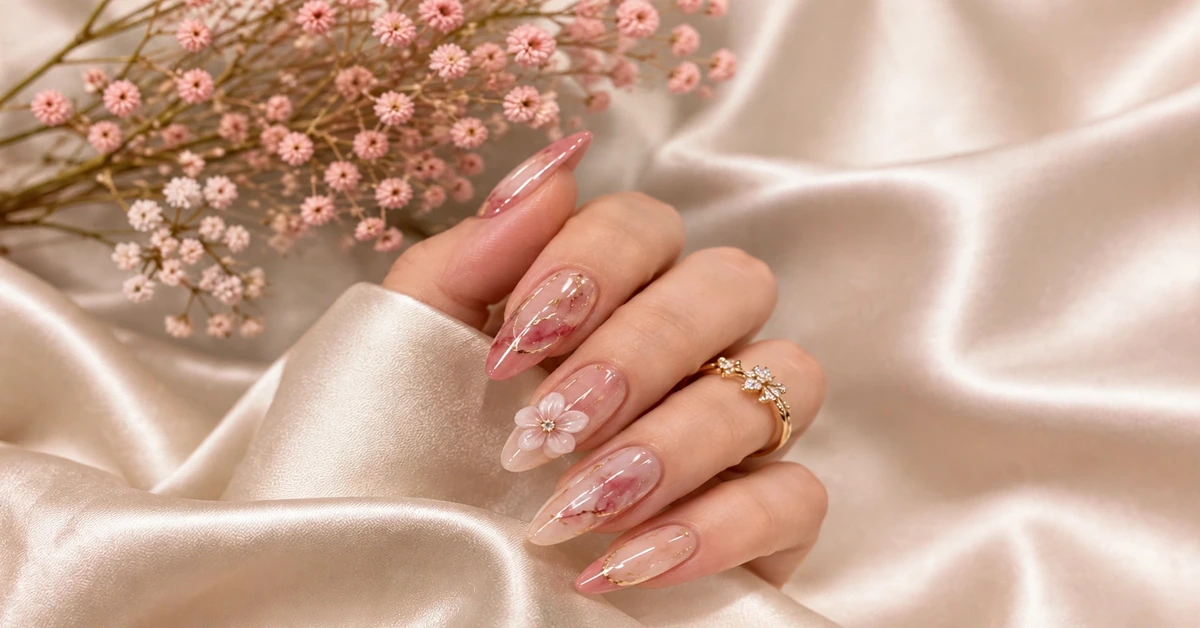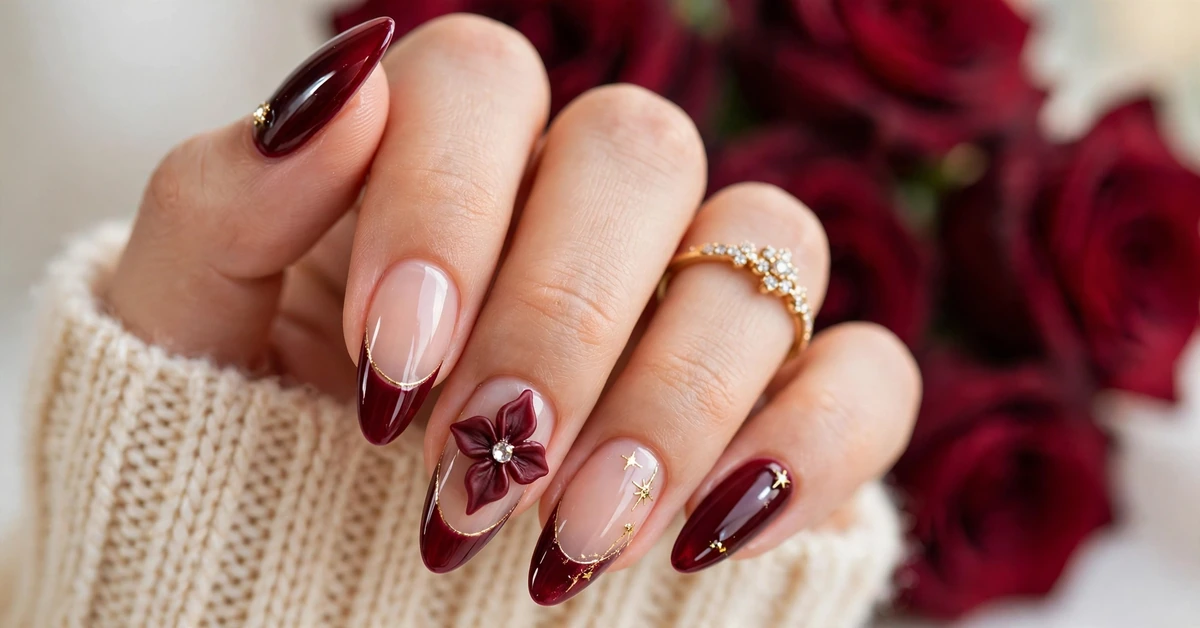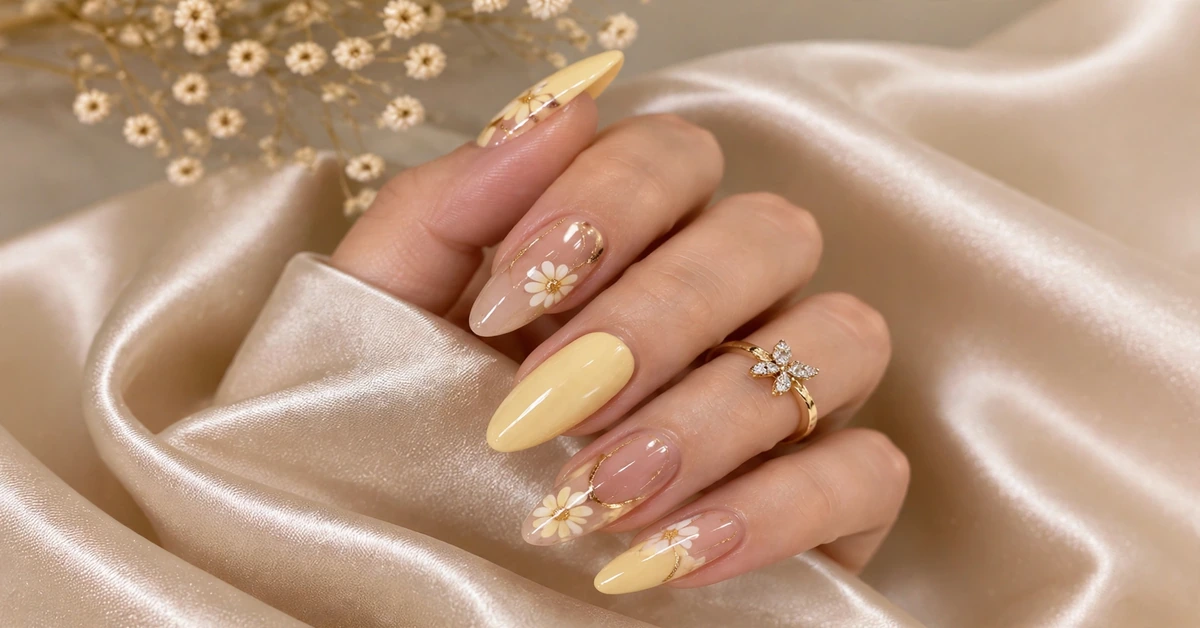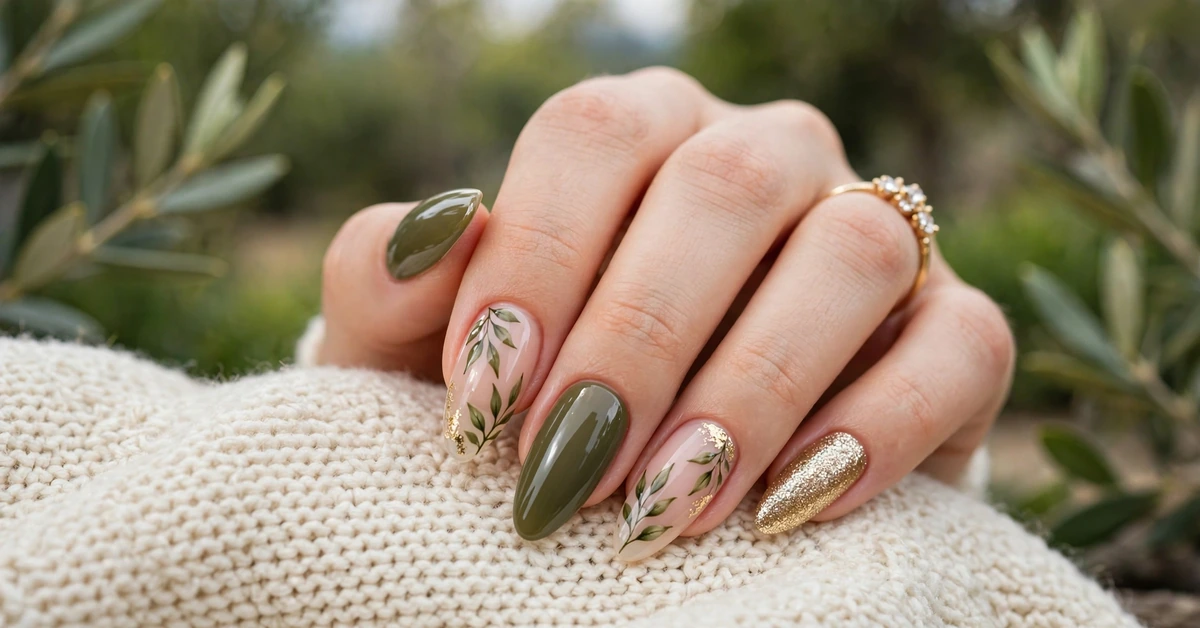
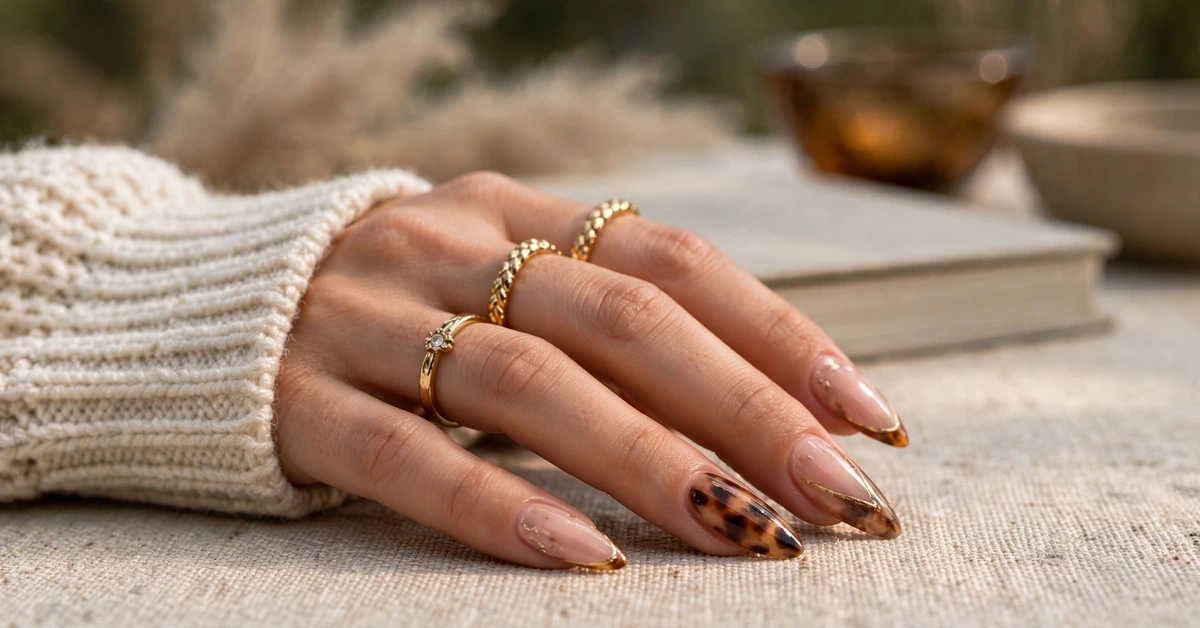
There is something quietly luxurious about tortoiseshell nails. They carry the warmth of autumn, the polish of a well-chosen accessory, and just enough pattern to feel interesting without ever shouting for attention. Paired with soft nude almond nails and a whisper of gold trim, the look becomes one of those rare manicures that feels both timeless and completely current. It works in a boardroom, at a brunch table, and at a candlelit dinner, which is exactly why it keeps reappearing on runways, red carpets, and everyday hands alike.
This guide breaks down the tortoiseshell and nude almond nail look in full: what makes it work, how to ask for it at the salon, how to recreate it at home, and how to keep it looking freshly done for as long as possible. Whether you are booking your next appointment or reaching for your own polish collection, you will find everything you need here to get the design right the first time.
Table of Contents
- Why Tortoiseshell and Nude Work So Well
- Decoding the Design
- What to Ask for at the Salon
- How to DIY This Look at Home
- Styling Tortoiseshell Nails With Your Wardrobe
- Making Your Manicure Last Longer
- Mistakes to Avoid and Quick Fixes
Why Tortoiseshell and Nude Work So Well
Tortoiseshell has been a style staple for decades, from sunglasses frames to hair accessories, because its blend of amber, honey, caramel, and deep brown flatters almost every skin tone. On nails, the same mottled pattern reads as rich and organic rather than busy. It catches the light beautifully, especially under a high-gloss top coat, and it adds depth that a flat colour simply cannot match. When you alternate tortoiseshell nails with plain nude ones, the pattern gets room to breathe, and the whole manicure feels balanced instead of overwhelming.
The almond shape is the other half of the magic. Longer, tapered nails with a softly rounded tip elongate the fingers and give the hand an elegant, feminine line. Almond suits medium to long nail lengths best, and it softens the boldness of the tortoiseshell print, keeping the overall effect refined. Add a thin line of gold along the edge of the nude nails, and you get a hint of jewellery built right into the manicure, a detail that ties the whole look together with rings and bracelets.
Another reason this combination lasts beyond a single season is its versatility. The warm browns of tortoiseshell sit comfortably next to neutrals, denim, black, cream, and even bold autumn shades like burgundy and olive. The nude nails keep it wearable for work, while the gold trim lifts it just enough for evenings out. It is a design that adapts to your life rather than demanding that your life adapt to it.
Decoding the Design
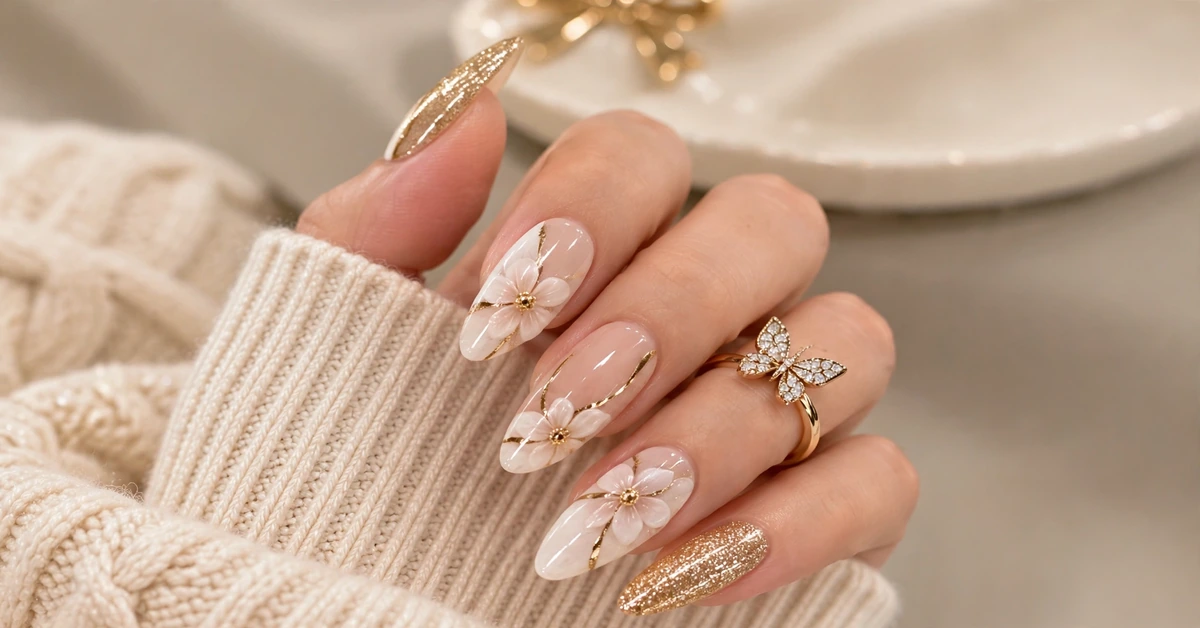
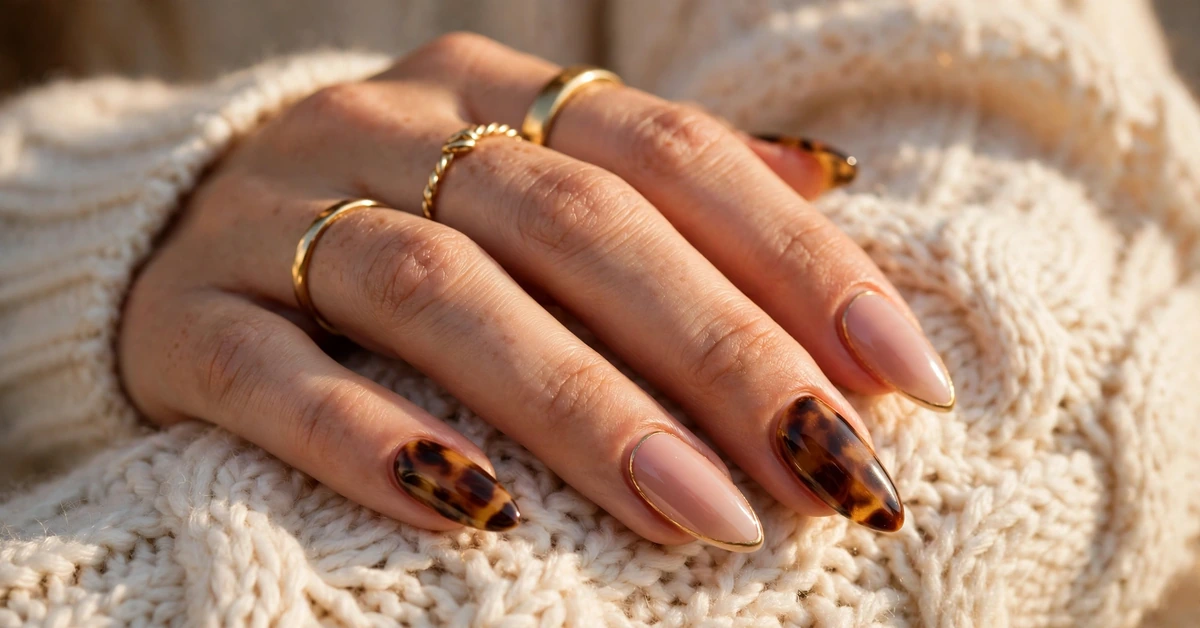
Look closely at the classic version of this manicure and you will notice a deliberate rhythm. Typically, the tortoiseshell pattern appears on the thumb, ring finger, or a mix of accent nails, while the remaining nails wear a sheer-to-opaque nude pink. The nude is not stark beige; it has a soft rosy warmth that echoes natural nail beds, which is why it looks so effortless. The gold trim is the finishing touch, usually a fine metallic line tracing the smile line, the cuticle edge, or the tip of the nude nails.
The tortoiseshell effect itself is built in layers. A sheer amber or honey base goes down first, then irregular blobs of chocolate brown and dark espresso are dabbed on while the base is still slightly wet, so the colours melt into each other like real shell. A final layer of translucent amber over the top unifies the pattern and gives it that glossy, almost glassy depth. The key is irregularity: real tortoiseshell is never symmetrical, so the most convincing nail versions embrace uneven shapes and varying sizes of spots.
Gold trim deserves a little attention of its own. It can be painted freehand with a fine liner brush, applied as metallic striping tape sealed under top coat, or stamped with a thin foil. Freehand painting gives the softest, most organic line, while striping tape gives a sharper, more graphic edge. Either way, the gold should be thin. A thick gold border can quickly tip the look from elegant to heavy, so restraint is everything here.
What to Ask for at the Salon
Walking into the salon with a clear brief saves time and prevents disappointment. Start by showing your nail technician a reference photo and describing the design in three parts: the shape, the colour placement, and the gold detail. Say something like, “Almond shape, medium-long length, tortoiseshell on alternating nails, soft nude pink on the rest, with a thin gold line along the tips of the nude nails.” Being specific about which nails carry the pattern matters, because technicians often default to an accent-nail-only layout unless told otherwise.

Ask about the base you want. Gel polish or a gel extension will hold the intricate tortoiseshell layering far better than regular polish, and the high-gloss gel top coat is what gives the shell pattern its depth. If your natural nails are short, discuss almond-shaped extensions in gel or acrylic, but be honest about your lifestyle: very long almond nails look stunning yet can be impractical for typing or gym sessions, so a medium length is often the sweet spot between glamour and everyday comfort.
Finally, agree on the nude shade before work begins. Nude is personal; what looks like a perfect match on one person can look washed out or too pink on another. Ask the technician to hold two or three nude options against your skin and pick the one that disappears most naturally against your hand. The right nude should look like your nails, only better, and it will make the tortoiseshell nails beside it stand out even more.
How to DIY This Look at Home
Recreating tortoiseshell nails at home is easier than it looks, and it is a forgiving design for beginners because imperfection is part of the charm. Start with clean, shaped nails: file into an almond shape by tapering the sides gently and rounding the tip, then push back cuticles and apply a base coat. For the nude nails, apply two thin coats of your chosen nude polish and let them dry fully before moving on.
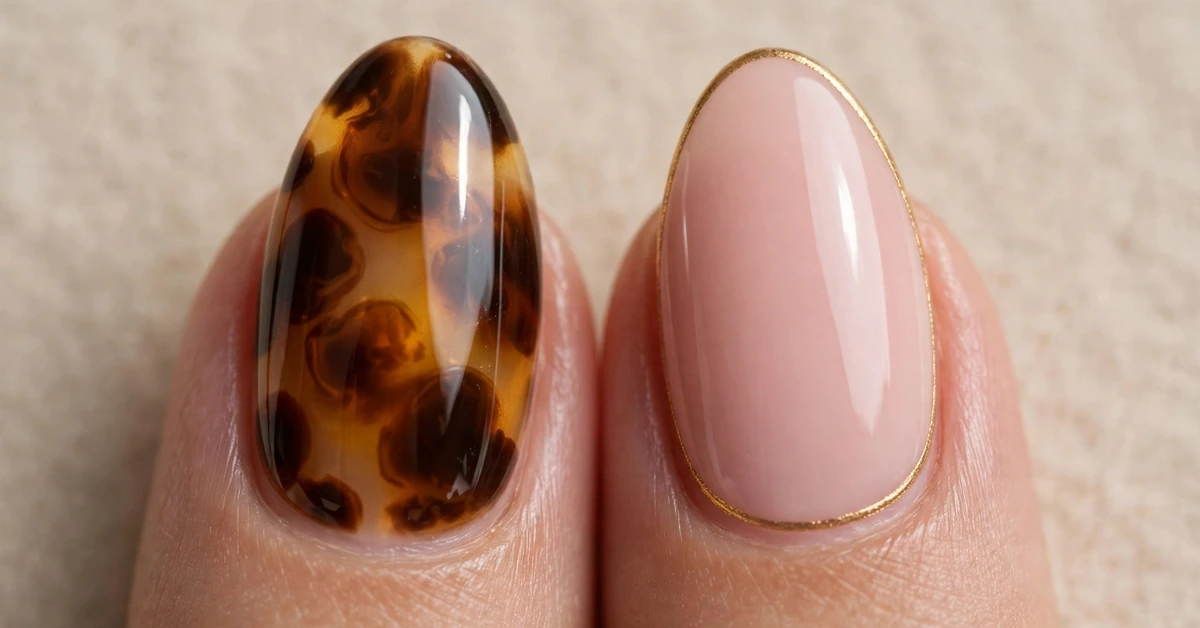
For the tortoiseshell nails, paint one coat of a sheer amber or golden-brown jelly polish. While it is still tacky, use a small dotting tool or the tip of a toothpick to drop irregular blobs of dark brown and chocolate polish onto the nail, then lightly drag a clean brush through them to blur the edges. Add a few smaller dots of black-brown for depth, then seal everything with a coat of sheer amber to melt the layers together. Finish with a thick, glossy top coat, which is what transforms the look from crafty to salon-quality.
The gold trim is best added last, once the nude nails are completely dry. Use a fine liner brush and metallic gold polish, and rest your painting hand on a stable surface to keep the line steady. Trace just inside the tip or along the cuticle line in one smooth stroke rather than several short ones. If the line wobbles, wait for it to dry, then tidy the edge with a flat brush dipped in acetone. Seal the gold with top coat so it does not chip away within a day.
Styling Tortoiseshell Nails With Your Wardrobe
Tortoiseshell nails behave like a neutral with personality, which makes them remarkably easy to style. They pair beautifully with cream knitwear, camel coats, and beige tailoring, echoing the warm tones already in the manicure. Gold jewellery is the natural partner here: thin stacking rings, a delicate bracelet, or small gold hoops pick up the gold trim on the nails and pull the whole outfit together without any extra effort.

For everyday wear, the design sits happily next to denim, white shirts, and simple leather accessories. The pattern adds visual interest to an otherwise minimal outfit, which is why it is such a favourite for capsule wardrobes. In the evening, the same nails work with black dresses, satin fabrics, and deeper autumn colours like rust, plum, and forest green, where the amber tones in the tortoiseshell glow warmly against darker shades.
One styling tip worth remembering is to let the nails be the statement when the rest of your look is busy. If you are wearing a bold print or heavy jewellery, the tortoiseshell still holds its own, but pairing it with simpler pieces lets the detail shine. A cream sweater, gold rings, and this manicure is a complete look on its own, proof that sometimes the smallest details carry the most style.
Making Your Manicure Last Longer
A tortoiseshell manicure is an investment of time, so protecting it pays off. The single most effective habit is wearing gloves for washing up, cleaning, and gardening. Water and detergents are the fastest way to lift polish at the edges, especially around the cuticle, and once lifting starts, chips follow quickly. A daily drop of cuticle oil also helps enormously: it keeps the nail flexible, prevents the polish from becoming brittle, and keeps the gold trim looking bright.
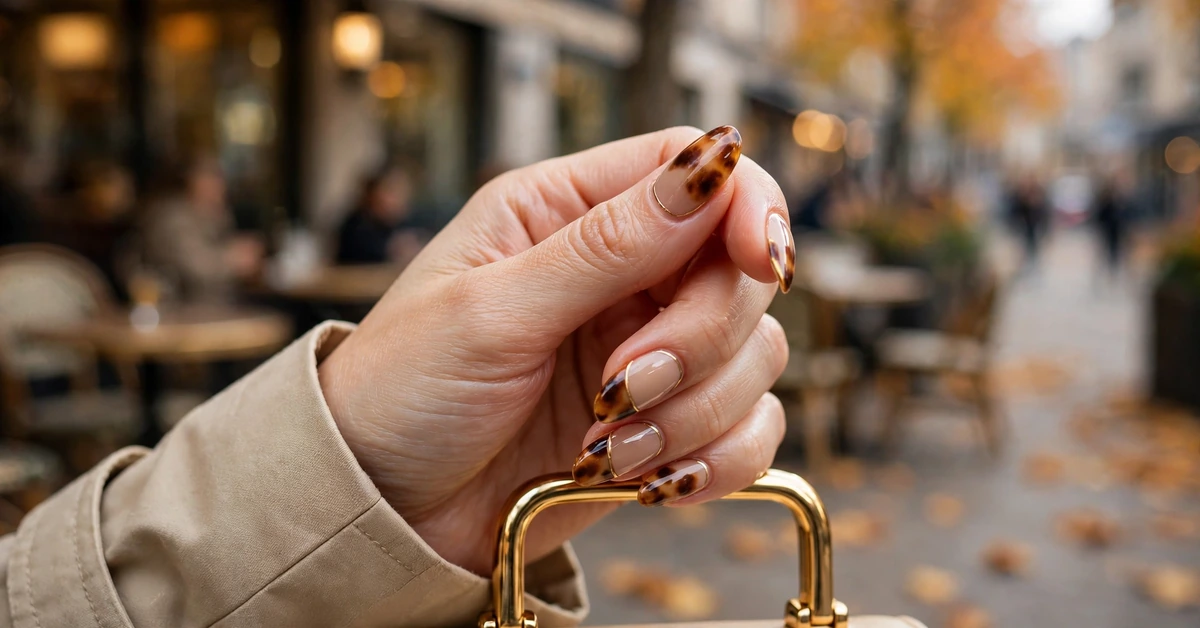
Be mindful of how you use your hands in the first twenty-four hours after a manicure, even with gel. Avoid opening cans with your nails, peeling stickers, or using nails as tools. If a small chip does appear on a nude nail, a dab of matching nude polish and a fresh layer of top coat can hide it almost invisibly. Chips on tortoiseshell nails are even easier to disguise: a tiny dot of brown polish blended into the pattern usually disappears completely.
For gel versions, book your infill or removal appointment before the three-week mark. Almond extensions that grow out too far put pressure on the natural nail and are more likely to break. When it is time to remove gel, soak it off properly rather than peeling it, since peeling strips layers from your natural nail and makes the next manicure harder to achieve. Healthy nails are the foundation of every great design, and this one is worth protecting.
Mistakes to Avoid and Quick Fixes
The most common mistake with tortoiseshell nails is overworking the pattern. Adding too many layers of brown, or trying to make each nail identical, turns the design muddy and flat. Real shell is random, so step back after a few blobs and judge the nail from a normal viewing distance rather than inches away. If a nail looks too dark, a thin wash of sheer amber over the top usually rescues it instantly.
Another frequent error is choosing the wrong nude. A nude that is too pale can make hands look washed out, while one that is too dark competes with the tortoiseshell instead of calming it. The test is simple: the nude should look like a slightly perfected version of your own nail bed. If you are between shades, go slightly warmer rather than cooler, since warmth harmonises with the amber tones of the shell pattern.
Finally, do not skip the top coat, and do not rush it. Tortoiseshell nails without a glossy finish look dull and unfinished, and a top coat applied over still-wet layers can drag the pattern. Let each layer set, finish with a generous glossy top coat, and reapply a thin top coat every two or three days to keep the shine alive. With that small habit, your tortoiseshell and nude almond nails will look freshly done for the full life of the manicure.