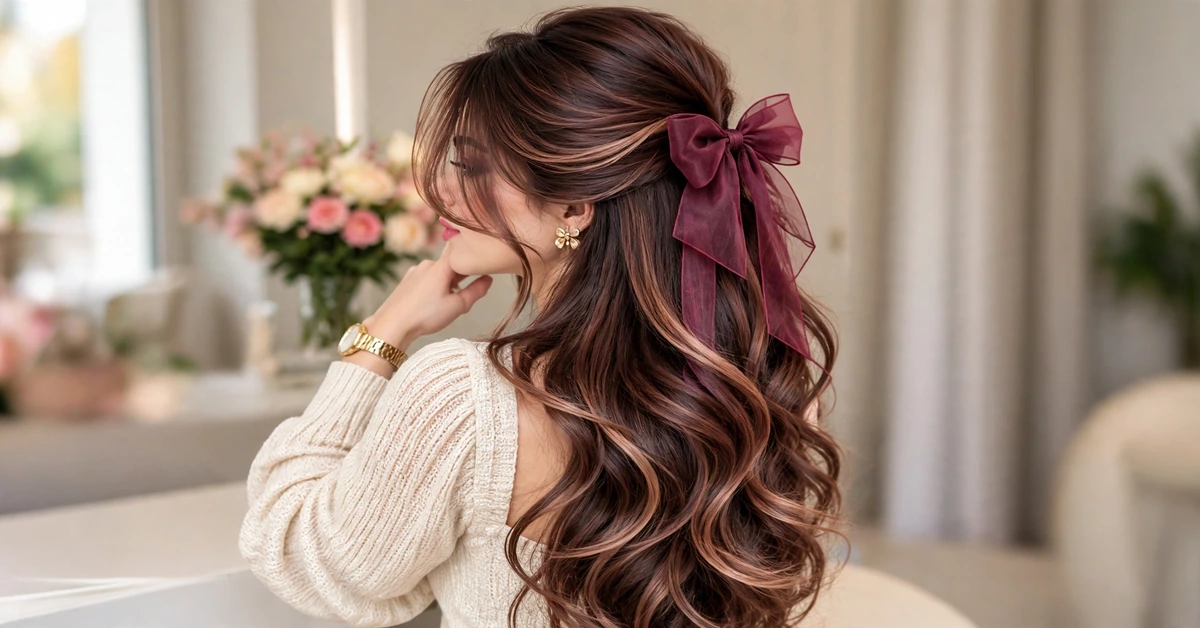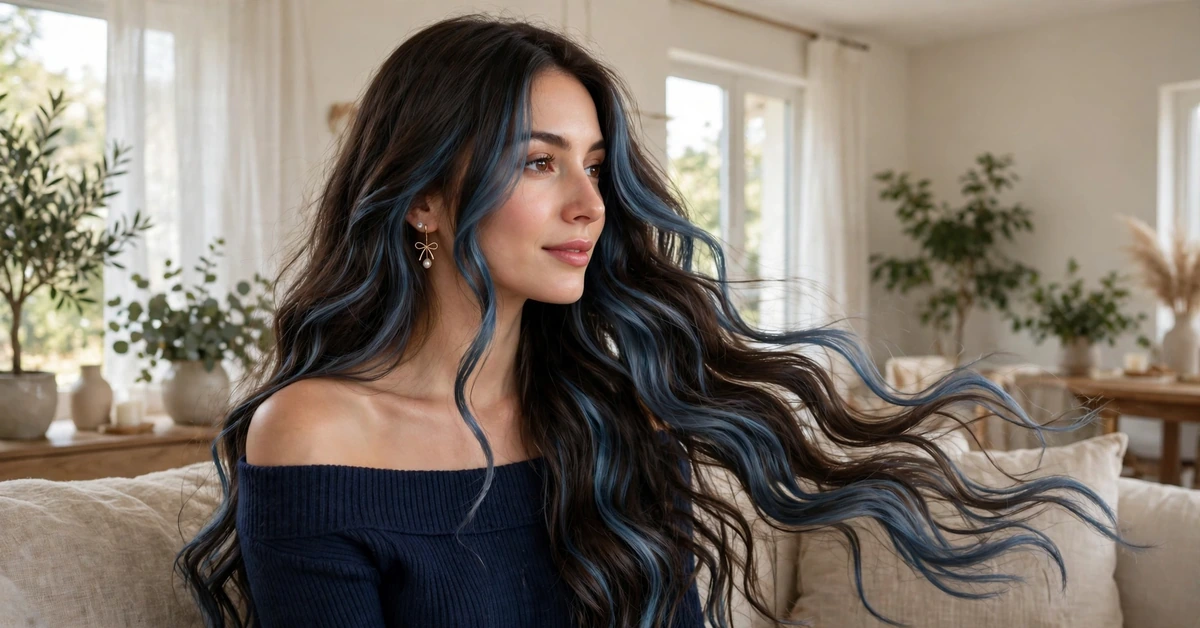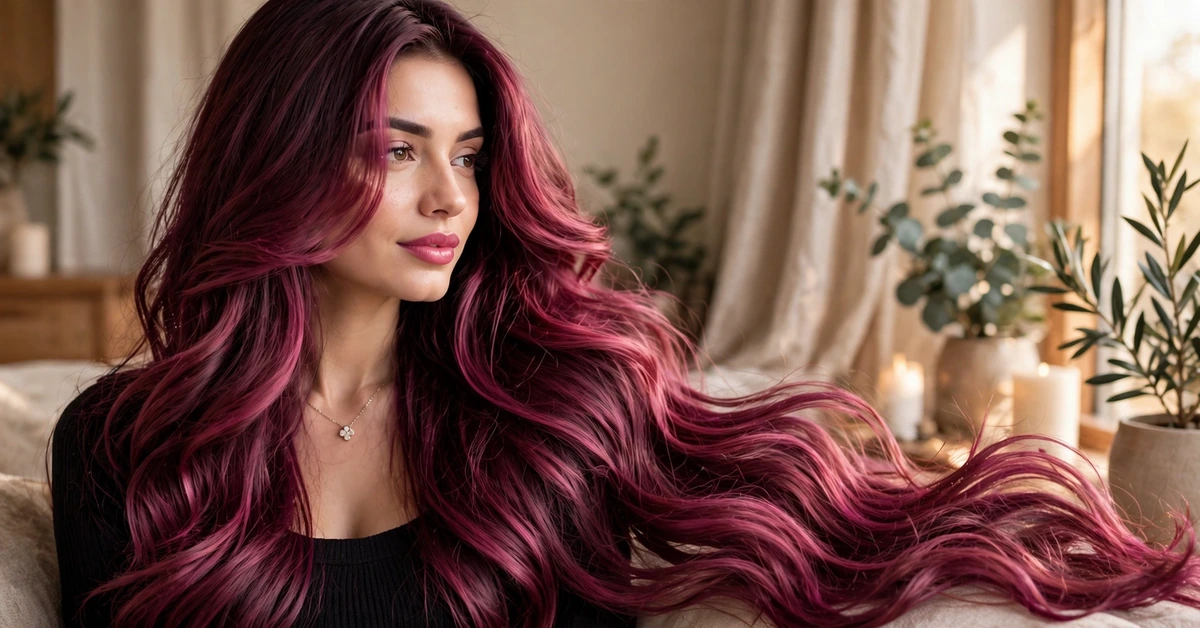
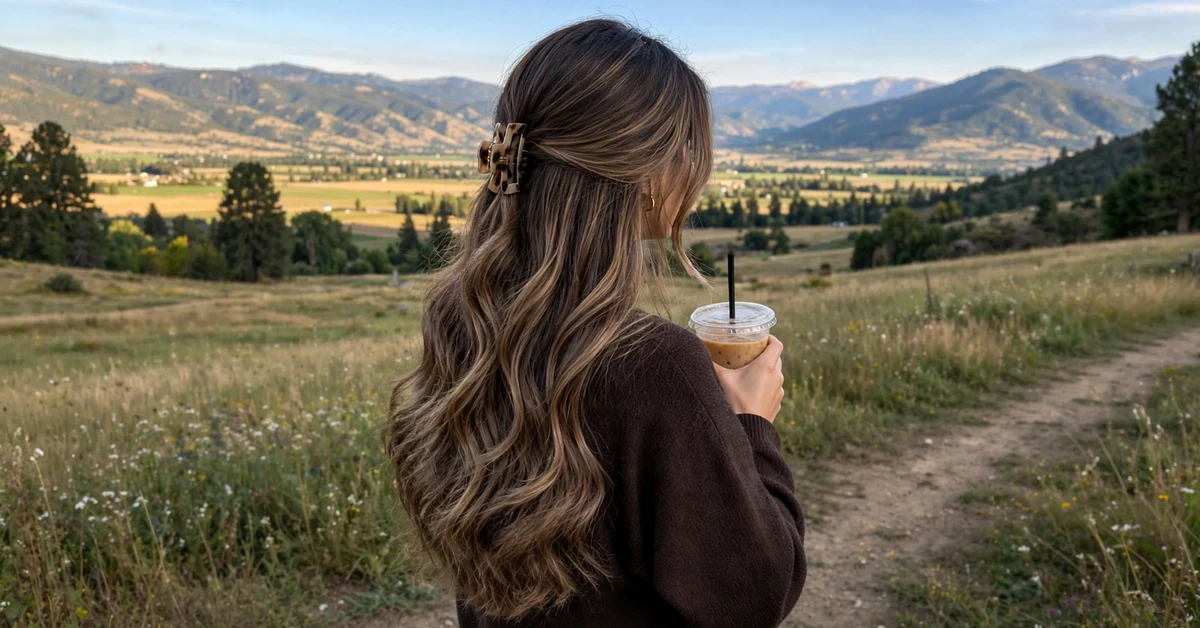
There is a reason caramel brown balayage for long hair never really goes out of style. It is soft rather than showy, warm rather than brassy, and it makes long hair look thicker and glossier without the harsh regrowth line of traditional highlights. Warm caramel ribbons melt into a rich brunette base, catching the light every time the hair moves, so even a simple half-up style — like long, wavy caramel balayage held back with a tortoiseshell claw clip — looks effortlessly polished. This guide covers the colour itself, the salon process, styling ideas, and the care routine that keeps caramel tones glowing instead of fading dull.
Table of Contents
- Why Caramel Brown Balayage Works So Well on Long Hair
- What Caramel Brown Balayage Actually Looks Like
- Getting It Done at the Salon: What to Ask For
- Caramel Balayage vs Other Brunette Colour Options
- Styling Long Caramel Balayage Hair Every Day
- Keeping the Colour Glossy Between Appointments
- Mistakes to Avoid With Caramel Balayage
- Frequently Asked Questions
- Final Thoughts
Why Caramel Brown Balayage Works So Well on Long Hair
Long hair is the perfect canvas for balayage because there is enough length for the colour to graduate naturally. Balayage is painted freehand rather than woven through foils in neat stripes, so the colour starts softly — usually a few inches from the roots — and becomes lighter towards the ends. On long hair, that long gradient creates dimension: the darker brunette underneath gives depth, while the caramel pieces on top catch the light and make waves look fuller. It is also forgiving to grow out. Because there is no sharp line at the roots, you can go three or four months between appointments and the colour still looks intentional. For anyone who loves long hair but dreads high-maintenance colour, caramel balayage is the sweet spot between natural and noticeable.
Warmth is the other reason this shade works so beautifully. Caramel sits in the golden-brown family, so it flatters warm and neutral skin tones and adds a sun-kissed glow that cooler ash tones cannot give. On very dark hair it creates striking but natural contrast; on medium brown hair it blends so seamlessly that people assume your hair just lightens beautifully in the sun.
What Caramel Brown Balayage Actually Looks Like
True caramel brown balayage is not one flat shade. It is a blend of tones: a deep chocolate or espresso brunette at the roots, warm toffee and honey-caramel ribbons through the mid-lengths, and the lightest golden-caramel pieces framing the face and at the very ends. The lightest pieces should never look blonde or brassy; they should look like caramel sauce — rich, golden, and warm. When the hair is straight, the colour looks like soft ribbons of light running through dark hair. When it is waved or curled, those ribbons separate and the dimension becomes much more obvious, which is why loose waves are the classic way to show off balayage. The overall effect is dimensional hair colour: hair that looks different from every angle, with light and shadow working together instead of a single solid colour.
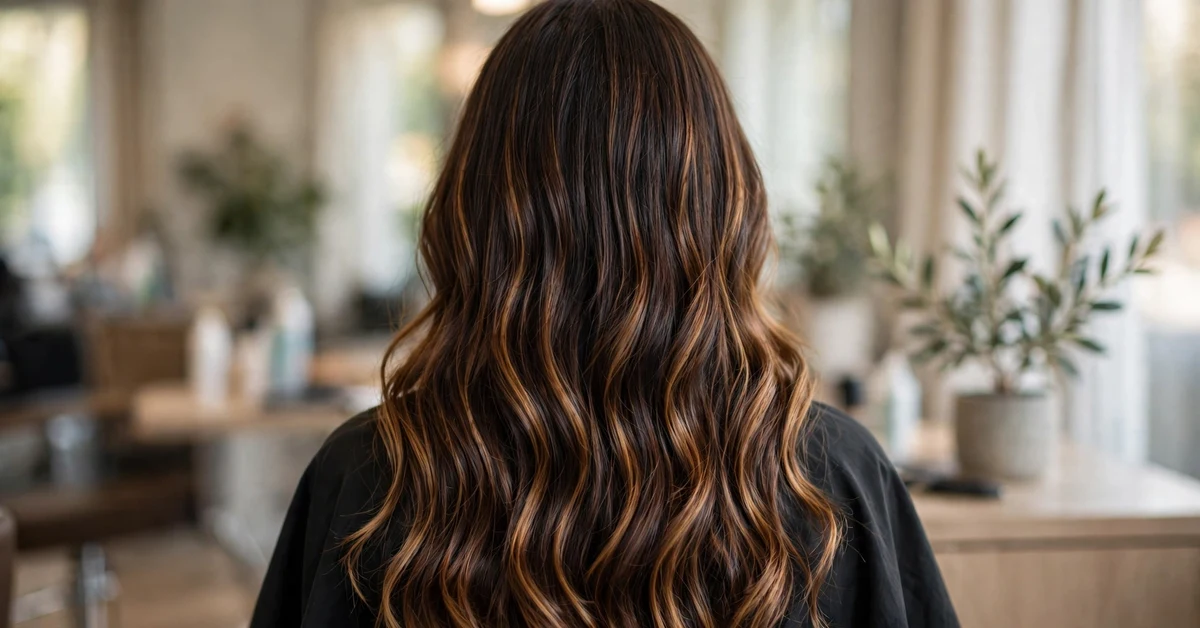
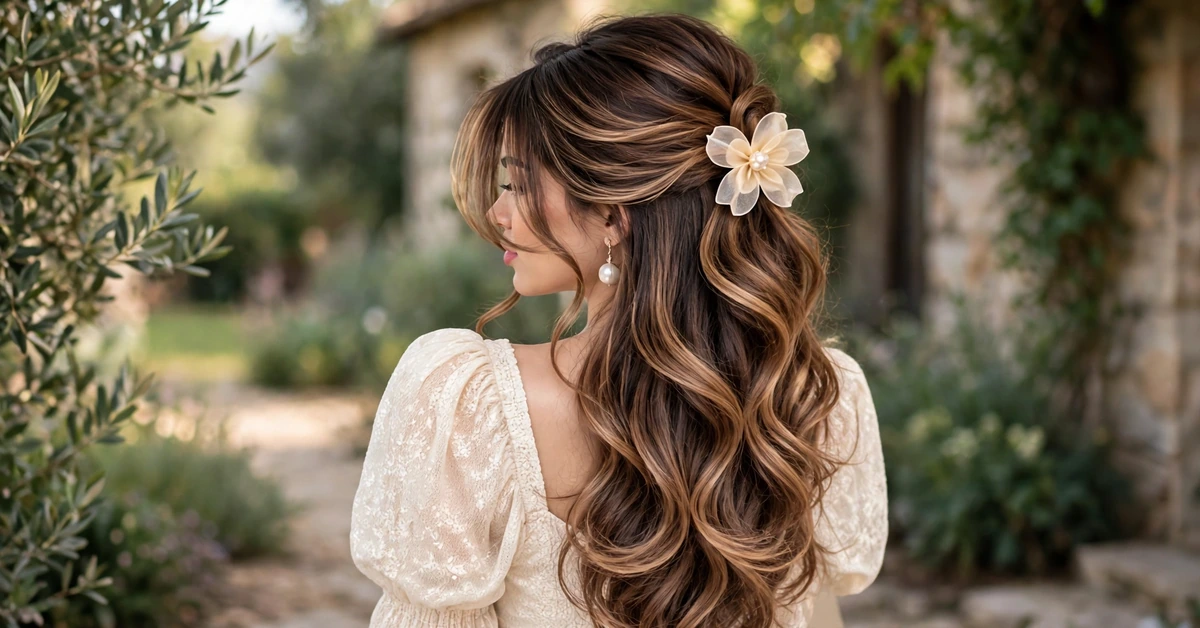
Seen from behind, the magic of caramel balayage is clear: dark brunette depth underneath, warm caramel ribbons on top, and light that moves with every wave.
Placement matters as much as the shade. Face-framing pieces are painted slightly lighter around the hairline to brighten the face, while the back and underneath layers stay darker. That darkness is what keeps the colour natural and gives the lighter pieces something to stand out against — if every strand were lightened equally, the hair would look flat.
Getting It Done at the Salon: What to Ask For
The single most important thing before a balayage appointment is bringing reference photos — several, not just one. Show photos of hair in your natural base shade and in the wave pattern you usually wear, because caramel looks very different on straight versus wavy hair. Ask specifically for warm caramel balayage on a brunette base, with a soft root melt, face-framing pieces that are lighter but still caramel rather than blonde, and the lightest colour from the mid-lengths down. Mention that you want dimension rather than all-over lighter colour, and that the underneath layers should stay dark. These sentences prevent the most common disappointment: leaving with highlights that are too blonde, too stripey, or too uniform.
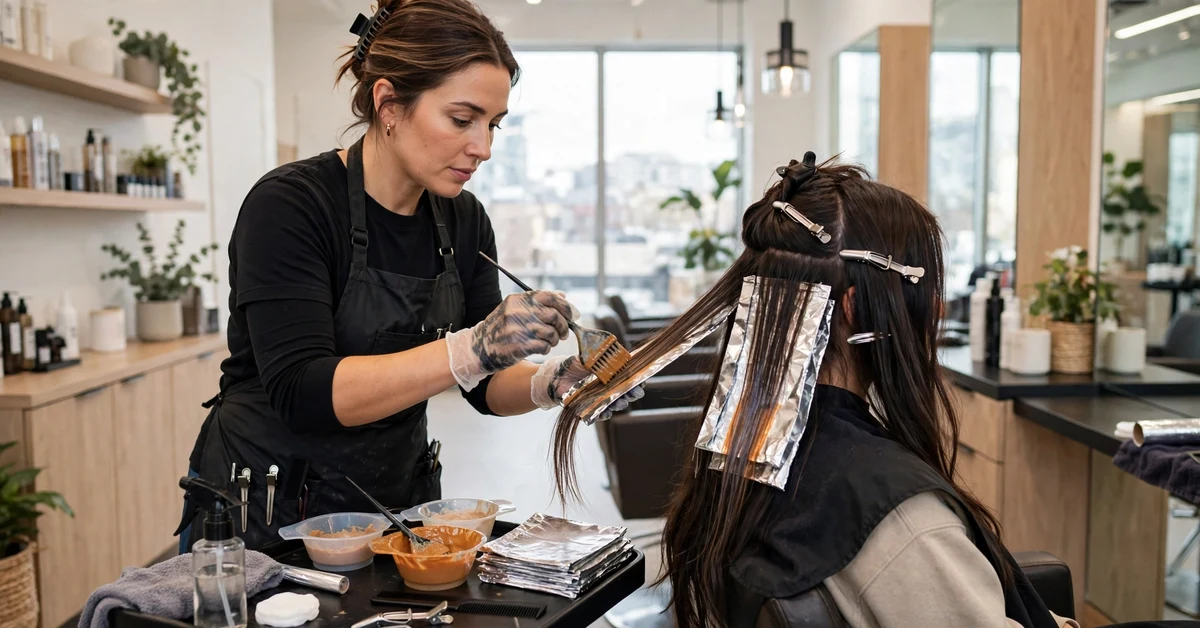
Balayage is painted freehand, section by section — a skilled colourist builds the gradient gradually so the caramel melts into the brunette with no harsh lines.
Be honest about your hair history, because it changes everything. Previous box dye, henna, or old highlights can affect how evenly hair lifts, and dark hair that has been coloured before may need more than one session to reach true caramel without damage. A good colourist will do a strand test and may suggest a gloss or toner afterwards to perfect the warmth. The appointment usually takes two to four hours for long hair — rushed balayage is how you end up with patchy colour, while a careful application gives that seamless melted finish.
Caramel Balayage vs Other Brunette Colour Options
It helps to know how caramel balayage compares with other brunette options. Traditional foil highlights give uniform lightness from root to tip and need touching up every six to eight weeks — beautiful, but much higher maintenance. A full all-over caramel dye gives one solid colour with no dimension, which can look flat on long hair. Ombre is the closest cousin, but it moves from dark to light in a more obvious horizontal transition, while balayage is softer and more scattered. Honey balayage is lighter and more golden; chocolate balayage is deeper and cooler. Caramel sits in the middle — warm and noticeable without being loud — which is why it suits so many people and seasons.
Cost is another practical difference. Balayage on long hair usually costs more than a root touch-up, because it is skilled, time-consuming work — but because you only need it two or three times a year, it often works out cheaper over twelve months than highlights every few weeks. Ask what is included: a toner or gloss, a bond-building treatment, and a trim should all be part of a proper balayage service.
Styling Long Caramel Balayage Hair Every Day
The beauty of caramel balayage is that it makes even simple styles look intentional. Loose waves are the classic choice: curl large sections away from the face, let them cool completely, then brush through gently with your fingers for soft waves that show off every caramel ribbon. For a quicker everyday look, the half-up style from the inspiration photo is hard to beat — gather the top section, twist it loosely, and secure it with a tortoiseshell claw clip. The clip pulls the darker top layers back while the caramel lengths fall free, so the colour contrast does the styling work for you.
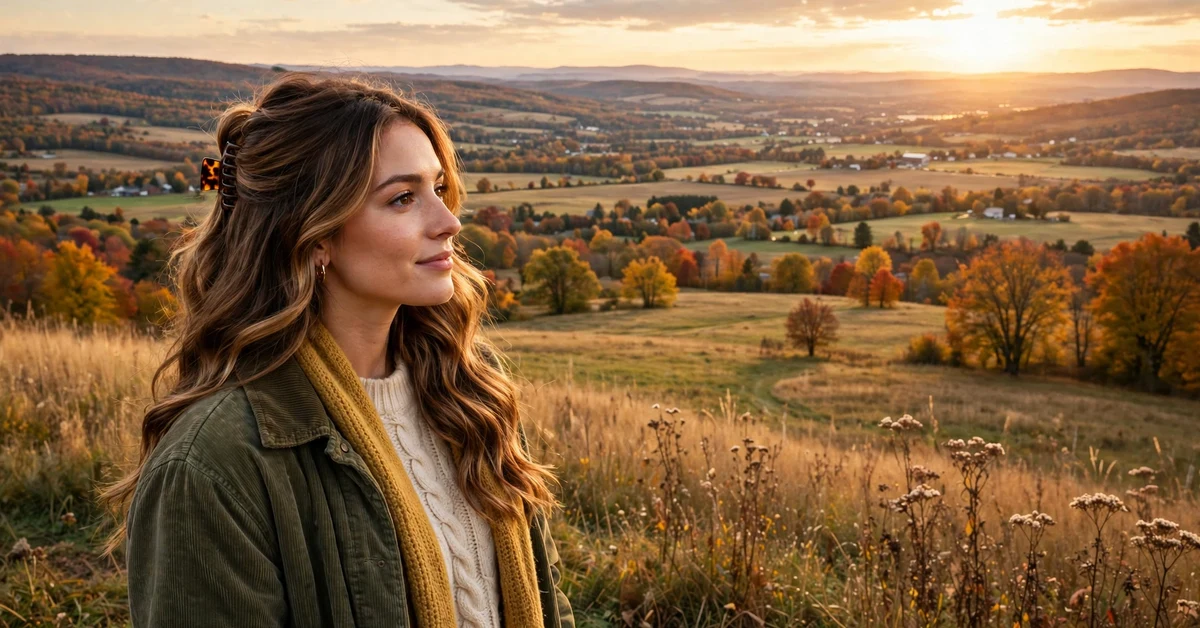
A loose half-up style with a claw clip is the easiest way to show off caramel balayage: the darker crown frames the face while the lighter lengths fall free.
Heat protection is non-negotiable for coloured long hair. Always apply a heat protectant before curling or straightening and keep tools at a moderate temperature. On no-heat days, braid damp hair loosely before bed for gentle overnight waves. A lightweight shine spray or a drop of hair oil smoothed over the ends will make the caramel tones gleam without weighing hair down — apply it to the mid-lengths and ends only, never at the roots.
Keeping the Colour Glossy Between Appointments
Caramel balayage fades gradually rather than growing out harshly, but warm tones can turn dull or slightly brassy if neglected. Use a colour-safe, sulphate-free shampoo and wash in lukewarm rather than hot water, which strips colour far more slowly. Wash two or three times a week if you can, and use dry shampoo on the roots between washes. Once a week, swap conditioner for a deep hydrating mask on the mid-lengths and ends, where lightened hair is driest. If the caramel starts to look too golden, a blue or purple toning mask used sparingly can cool it down — but use it lightly, or warm caramel can turn ashy.
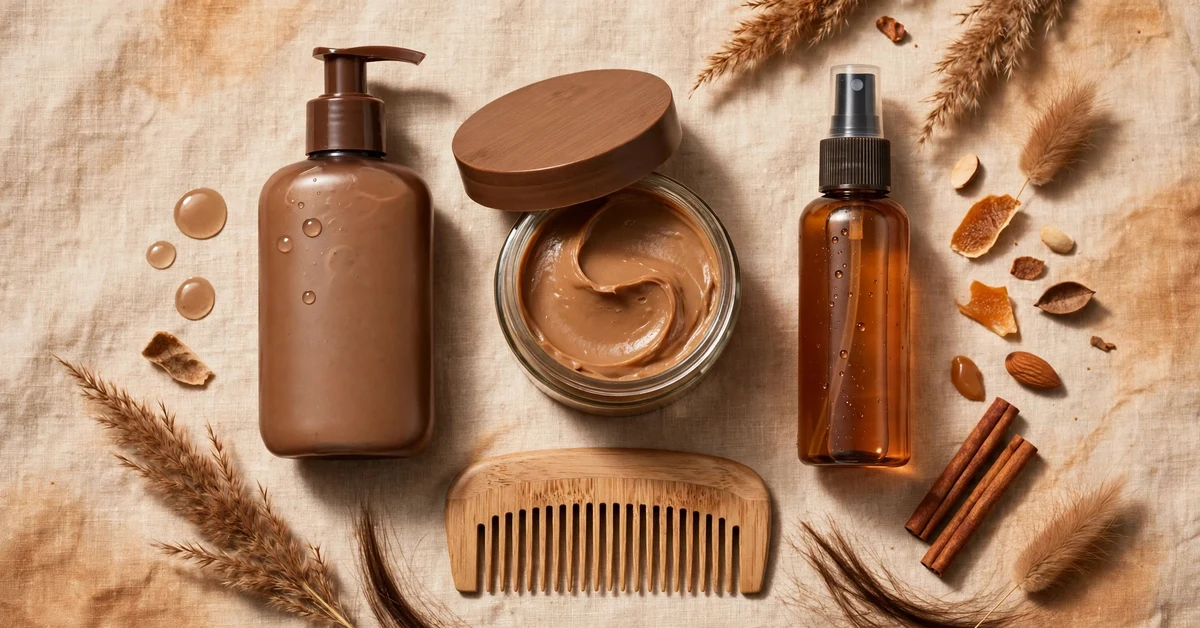
A simple care kit — colour-safe shampoo, a weekly mask, heat protectant, and a wide-tooth comb — is all it takes to keep caramel balayage glossy for months.
Sun, chlorine, and hard water are the biggest enemies of caramel colour. A hat or UV-protectant spray helps outdoors, wetting hair with clean water before swimming reduces chlorine absorption, and a clarifying wash once a month removes mineral build-up that can make caramel look muddy. Between salon visits, a clear or caramel-toned gloss every six to eight weeks refreshes the warmth and restores shine without changing the colour. Trim the ends every eight to ten weeks as well — healthy ends reflect light, while split ends make even the prettiest colour look tired.
Mistakes to Avoid With Caramel Balayage
The most common mistake is asking for caramel and getting blonde. If your reference photos show golden blonde hair, your colourist will lighten further than caramel needs, and the result will be harder to maintain. Choose references that genuinely show caramel — warm brown with golden ribbons, not blonde with brown roots. The second mistake is skipping the toner: freshly lightened brunette hair almost always pulls orange before toning, and the toner is what turns that raw warmth into refined caramel. Never judge the colour before the toner is applied. The third mistake is over-washing with harsh shampoos or very hot water, which fades the toner within weeks. And never refresh balayage at home with box dye: all-over colour will cover the dimension you paid for.
It is also worth avoiding too many light pieces at once. Balayage should leave plenty of your natural brunette visible — that darkness is what makes the caramel stand out. When too much hair is lightened, the result loses dimension and grows out more obviously. Trust your colourist if they suggest keeping some sections dark, especially underneath: restraint is what separates a beautiful, expensive-looking balayage from one that just looks highlighted.
Frequently Asked Questions
Does caramel brown balayage suit dark brown hair? Yes, beautifully. The contrast between dark brunette and warm caramel is what creates the dimension, and the colour can be built up gradually over two sessions if your hair is very dark.
How long does caramel balayage last? The balayage itself lasts three to four months before it needs refreshing, and a gloss every six to eight weeks keeps the tone fresh in between. Because the roots blend softly, regrowth is far less noticeable than with highlights.
Will caramel balayage damage long hair? Any lightening causes some stress, but balayage is gentler than full highlights because less hair is lightened and the roots are untouched. Bond-building treatments, regular trims, and weekly masks keep long hair healthy.
Can I get caramel balayage on fine hair? Absolutely — in fact, the dimension can make fine hair look fuller. Ask for softer, more scattered pieces rather than chunky sections, so the colour adds depth without overwhelming fine strands.
Final Thoughts
Caramel brown balayage for long hair earns its popularity the honest way: it looks beautiful, grows out gracefully, and makes everyday styling feel a little more special. The warm ribbons add light and movement to brunette hair, the soft root melt keeps maintenance low, and the colour works with everything from a claw-clip half-up style to loose evening waves. Bring clear reference photos, ask for dimension and a soft root melt rather than all-over lightness, and look after the colour with gentle washing, weekly masks, and the occasional gloss. Do that, and your caramel balayage will stay glossy and dimensional for months.
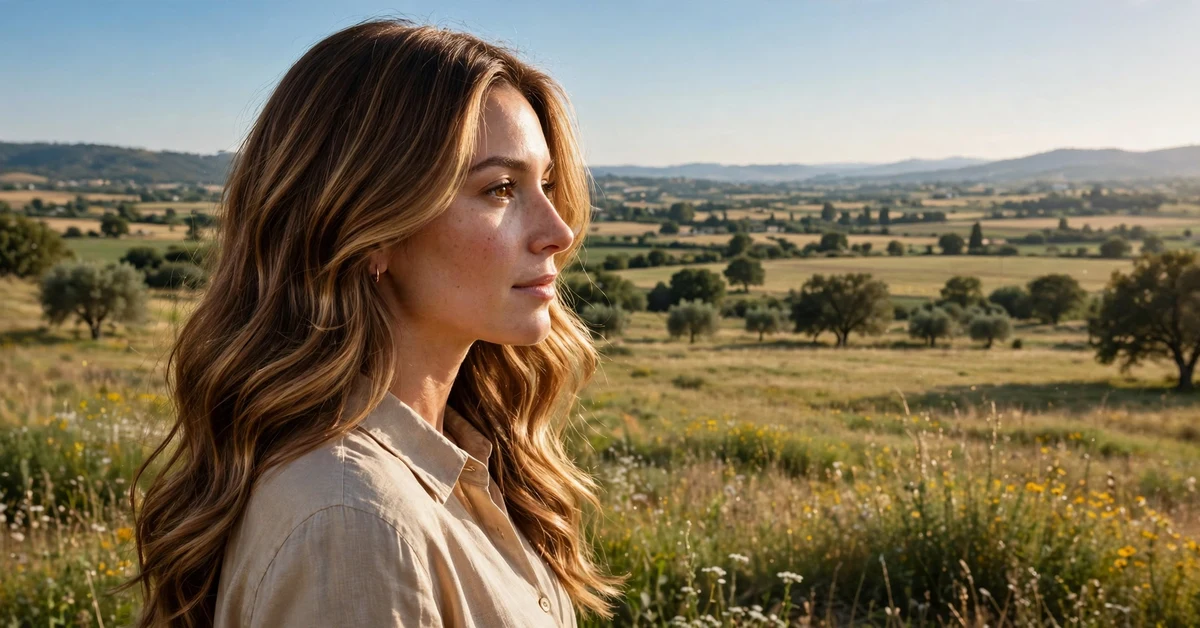
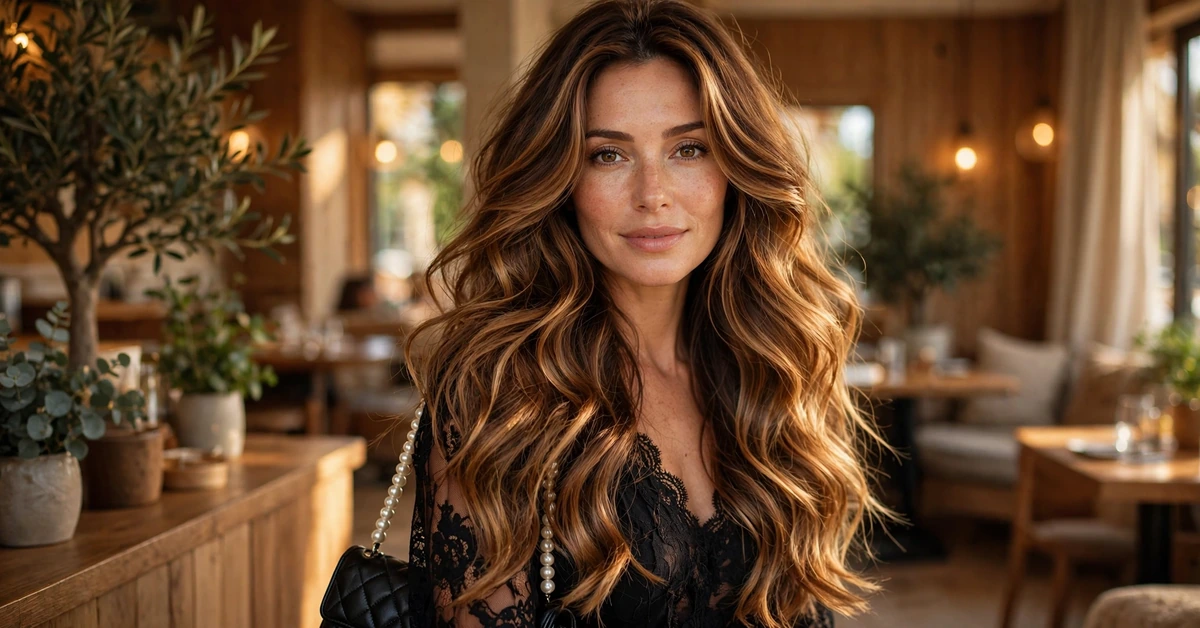
Sunlight is caramel balayage at its best: warm golden ribbons glowing through rich brunette waves.