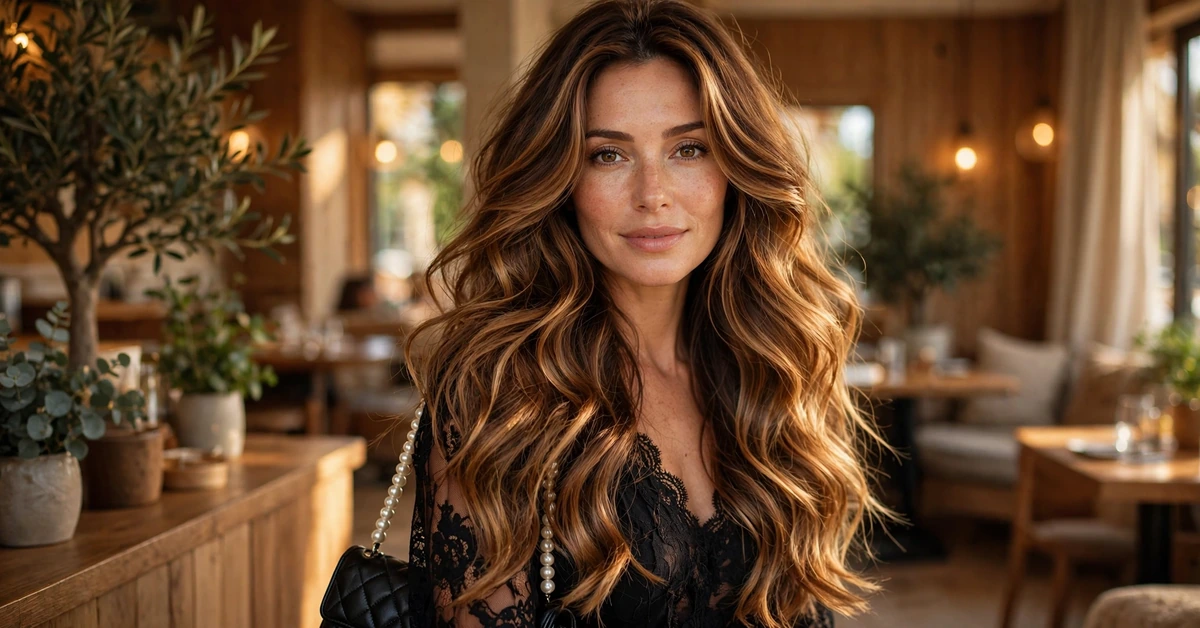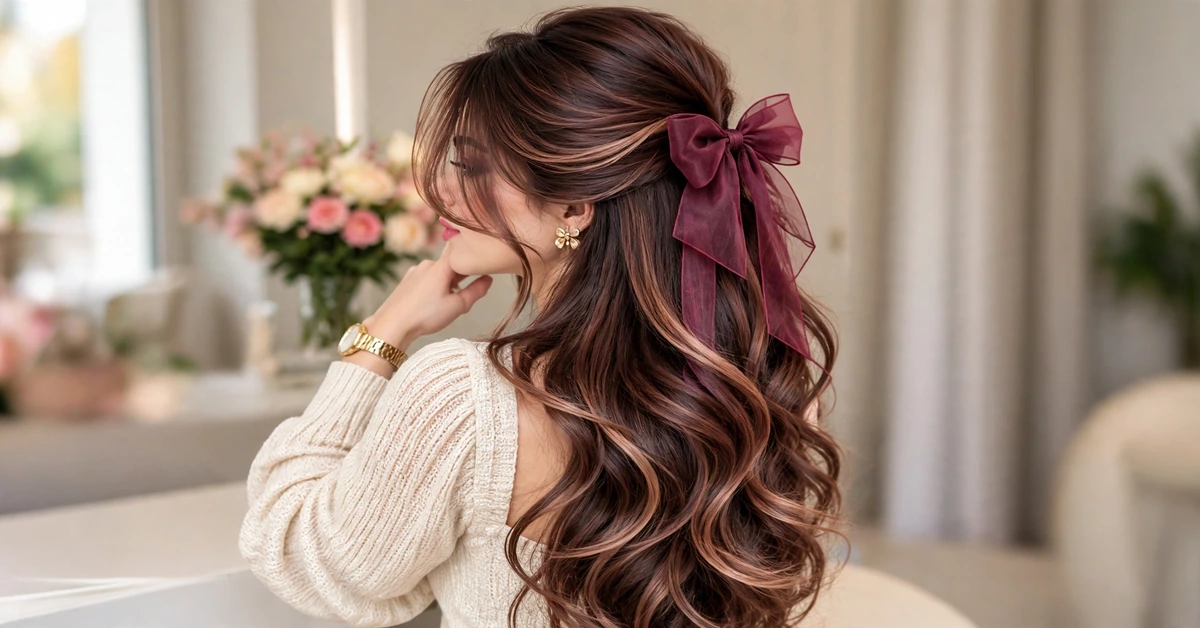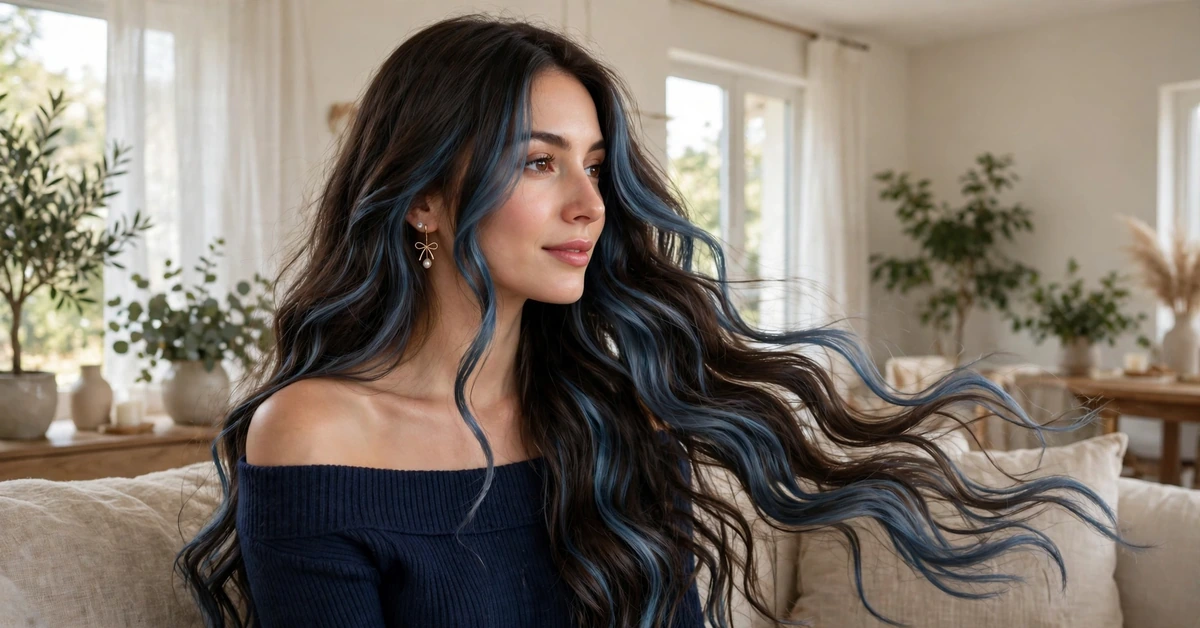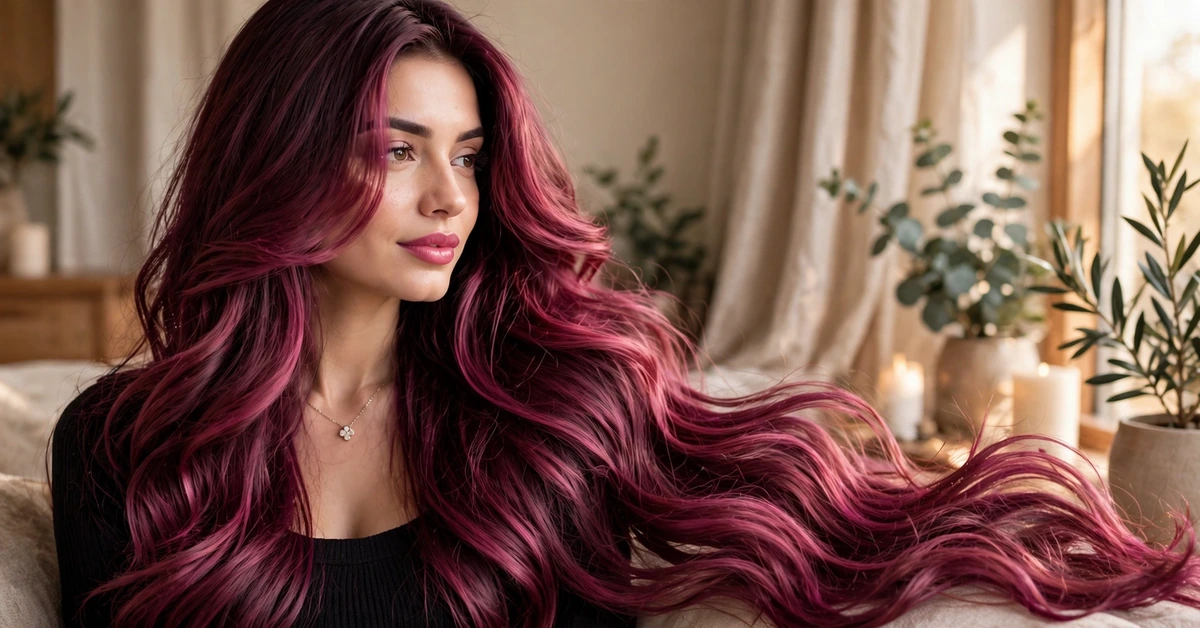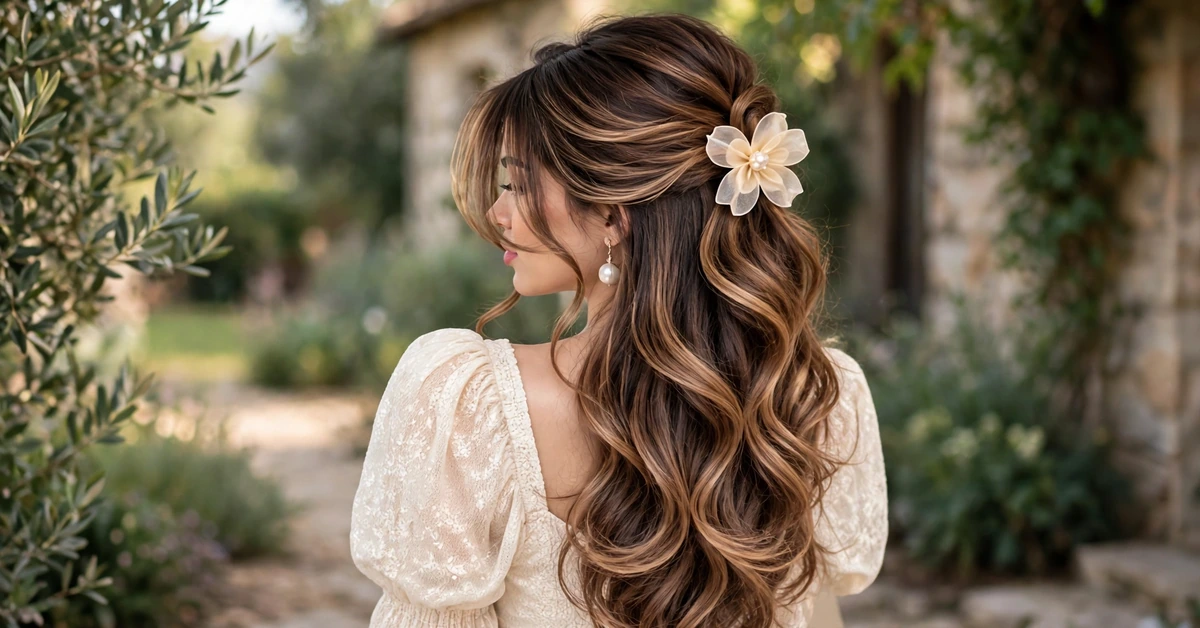
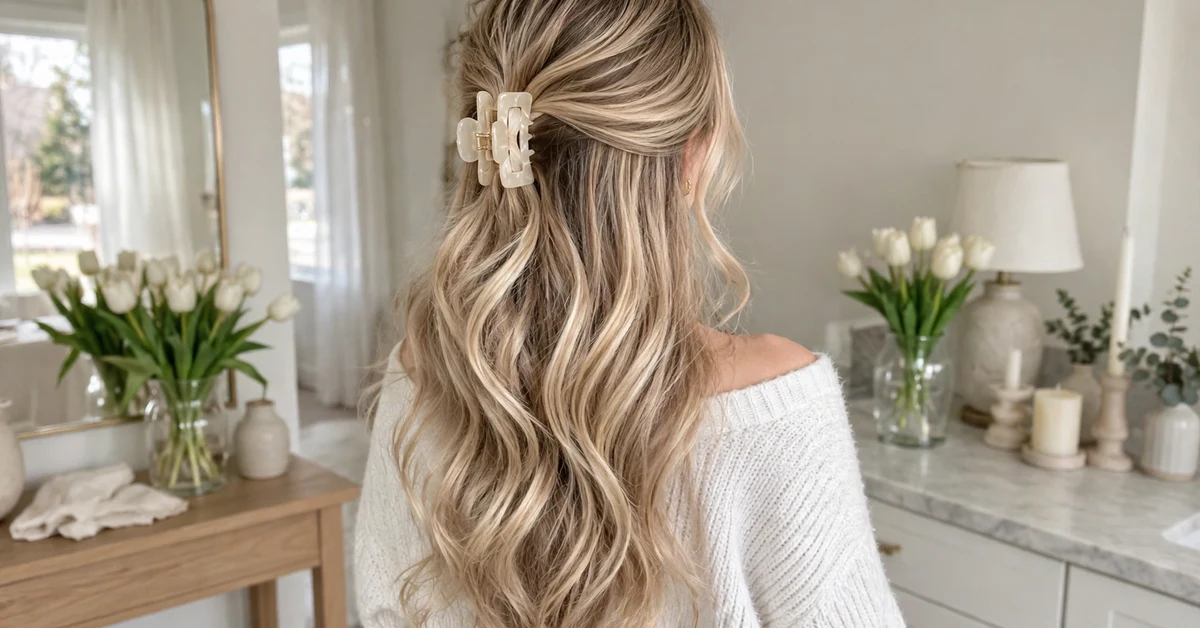
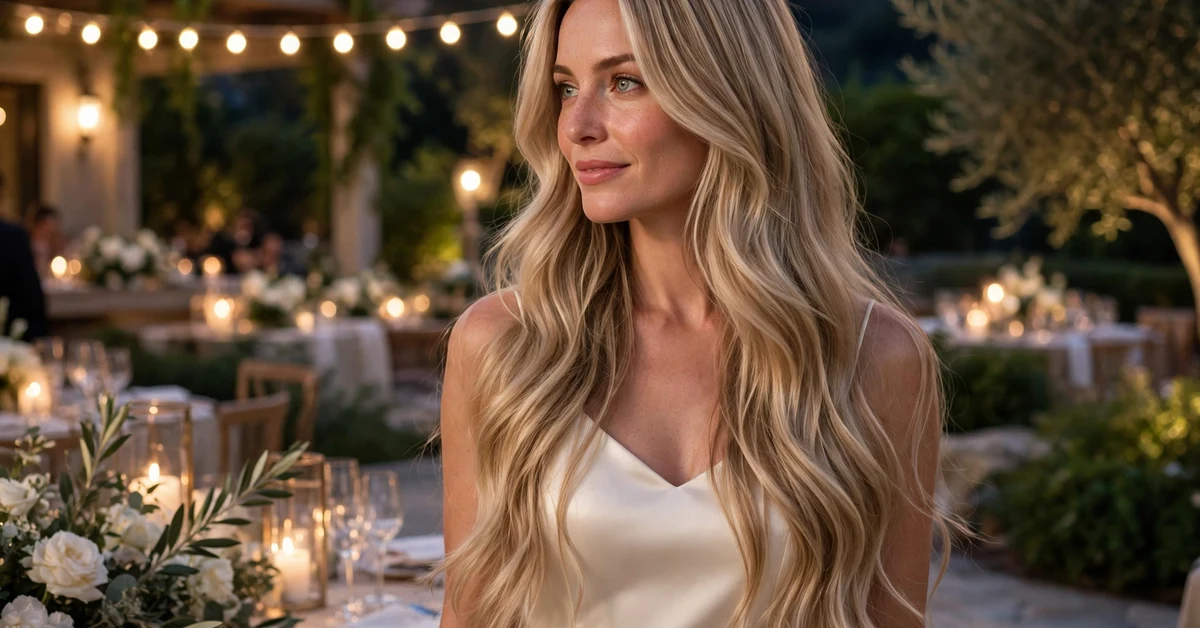
There is a reason beige blonde balayage never leaves the inspiration boards. It is soft without being washed out, bright without looking harsh, and dimensional enough to make even the simplest hairstyle look expensive. The look in this post pairs that creamy blonde with long, softly layered waves and a relaxed half-up twist held by a cream claw clip, and the result looks beautiful from every angle. If you have been saving blonde ideas and wondering which shade works in real life, this is the one to show your stylist.
Beige blonde sits in the sweet spot between cool ash and warm gold: soft and neutral, with just enough warmth to keep hair looking healthy rather than flat or grey. Painted on with balayage, where colour is swept through the hair by hand instead of packed into foils, it creates a natural, sun-kissed blend that grows out gracefully. Add long layers and loose waves, and you get movement, volume, and shine that feels effortless day to day.
In this guide, you will learn what beige blonde balayage is, who it suits, what to ask for at the salon, how to style soft layered waves at home, and how to keep the colour creamy for months.
Table of Contents
- What Is Beige Blonde Balayage?
- Why Beige Blonde Balayage Works So Well
- Who Suits Beige Blonde Balayage?
- What to Ask Your Stylist For
- How the Colour Is Created
- How to Style Soft Layered Waves
- The Half-Up Claw Clip Look
- Beautiful Variations to Try
- How to Maintain the Colour
- Common Mistakes to Avoid
- Frequently Asked Questions
- Final Thoughts
What Is Beige Blonde Balayage?
Balayage is a freehand technique in which the stylist paints lightener or colour directly onto the hair’s surface, rather than wrapping sections in foil. The word comes from the French verb meaning “to sweep,” and that sweeping motion creates the soft, diffused finish: no harsh lines, no obvious stripes, no heavy regrowth line.
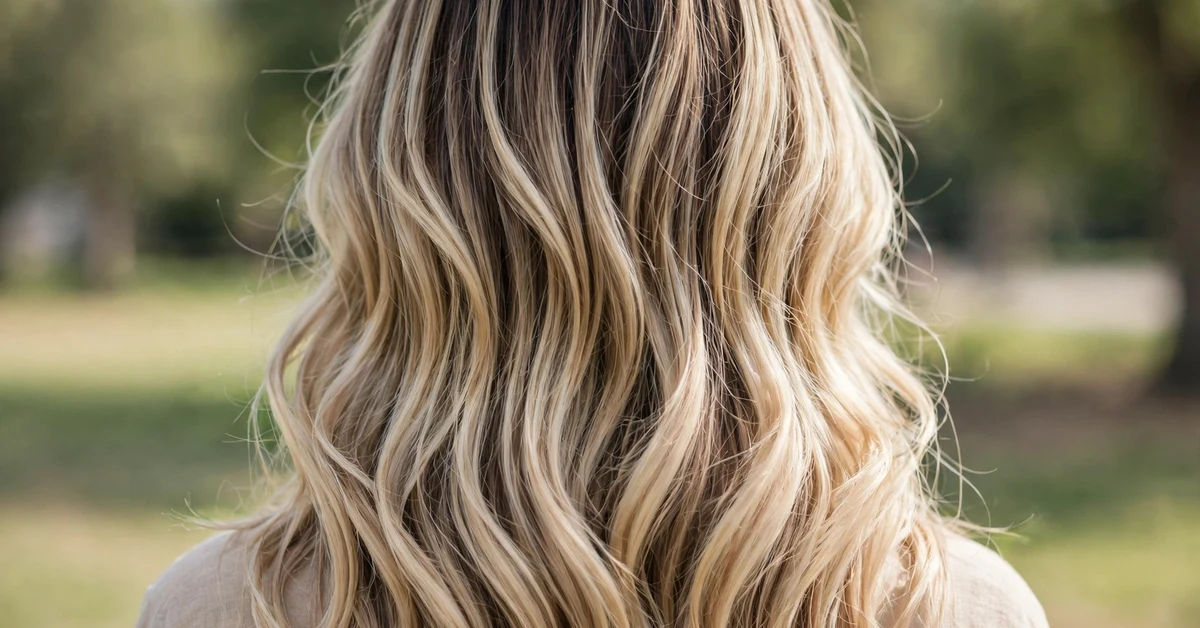
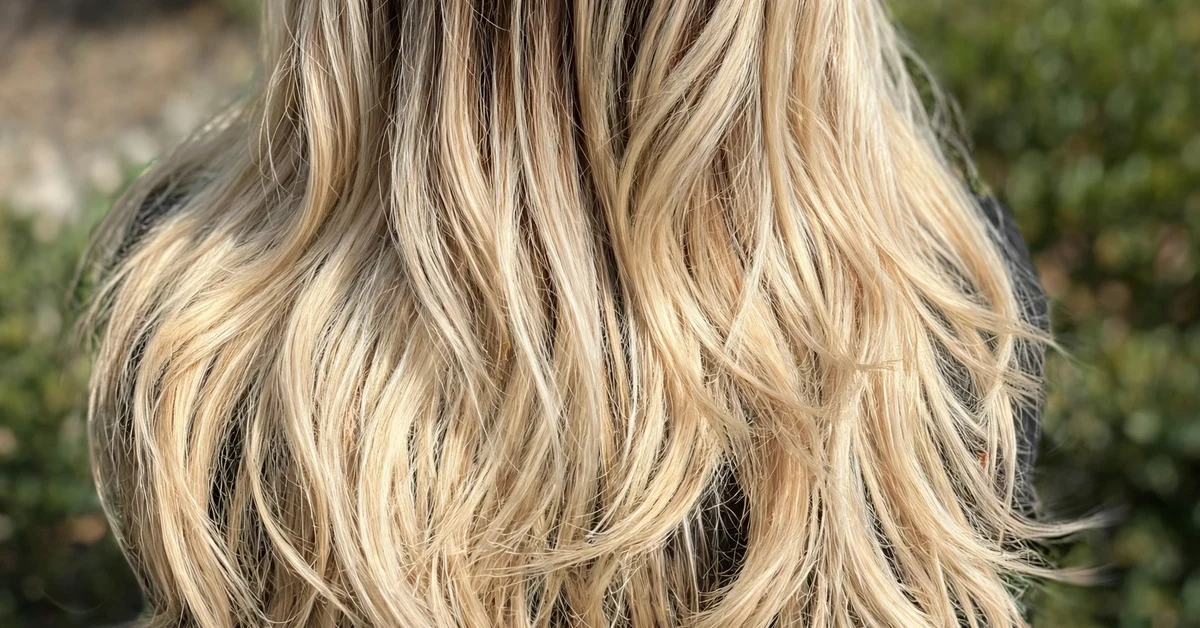
Beige blonde is the shade painted into that technique here. It is a neutral-to-slightly-warm blonde with creamy, almost linen-like tones. Unlike icy platinum, which can look stark against many skin tones, or golden blonde, which can turn brassy quickly, beige blonde keeps a balanced, expensive-looking finish. The darker roots are left mostly natural, or softly shadowed, so the blonde melts out of the base instead of starting abruptly.
On long hair, this combination is especially flattering. The length lets the colour travel from deeper roots through a soft mid-length transition into brighter, creamier ends, and layers break up the colour further so every wave catches the light differently. The result looks naturally sun-lightened, only more polished.
Why Beige Blonde Balayage Works So Well
The first reason this colour works is dimension. Flat, single-process blonde can look thin and one-dimensional, especially on long hair. Balayage builds in three tones: a deeper root, a soft beige mid-length, and brighter creamy ends. That contrast creates the illusion of thickness and movement, even on fine hair.
The second reason is grow-out. Because the colour is diffused and the roots stay darker, regrowth looks intentional rather than neglected. Most women can stretch appointments to ten or twelve weeks, with only a toner refresh in between.
The third reason is versatility. Beige blonde balayage suits sleek straight styling, bouncy blowouts, beachy waves, and elegant updos equally well. It is polished enough for work and weddings, yet relaxed enough for weekends. Few colours transition between occasions as easily.
Who Suits Beige Blonde Balayage?
Beige blonde is one of the most forgiving blonde shades, and it suits a wide range of skin tones. On fair skin, it adds warmth and glow without washing you out. On medium skin, the creamy tones blend beautifully and look naturally sun-kissed. On deeper skin tones, a beige blonde balayage with a darker root shadow can be stunning, especially when the blonde is kept slightly deeper and richer through the mid-lengths.
It suits most eye colours too, because the neutral tone does not fight with your natural colouring. Very dark hair may need two sessions to lift safely without damage, while light brown or dark blonde hair usually needs only one.
Length matters too. This look shines on medium to long hair, where the gradient has space to develop. On shorter cuts, keep the pieces around the face bright for that luminous frame.
What to Ask Your Stylist For
Bringing a photo is the single best thing you can do. Save the inspiration image, plus one or two shades you do not want, so your stylist understands your boundaries. Then ask clearly for a beige blonde balayage with a soft root shadow, creamy blonde through the mid-lengths and ends, and long layers that keep the hair full at the bottom.
Be specific about tone: say “beige, not ash and not gold” to avoid the colour pulling too cool or too warm. Ask for a toner or gloss at the end of the appointment, because the toner creates that creamy beige finish. Without it, lifted hair often looks raw and yellow.
Talk about maintenance honestly. If you can only visit every three months, say so, and your stylist will place the balayage lower and softer so the grow-out stays graceful. If you love frequent refreshes, you can go brighter around the face and ends.
How the Colour Is Created
Your appointment starts with a consultation about your hair’s condition, colour history, and texture. The stylist then sections the hair and paints lightener onto the surface of selected strands, concentrating brightness through the mid-lengths and ends while leaving the roots softer and darker.
After the lightener processes, the hair is rinsed and a beige toner or gloss is applied. This takes only ten to twenty minutes, but it makes all the difference, neutralising yellow tones and depositing that creamy beige. A bond-building treatment is often included to protect the hair.
Finally, the hair is cut into long layers. Layers remove weight so the waves move freely and create the different lengths that let the balayage show its full dimension. The cut is finished with a soft blow-dry and loose waves, so you leave seeing the colour exactly as it will look styled.
How to Style Soft Layered Waves
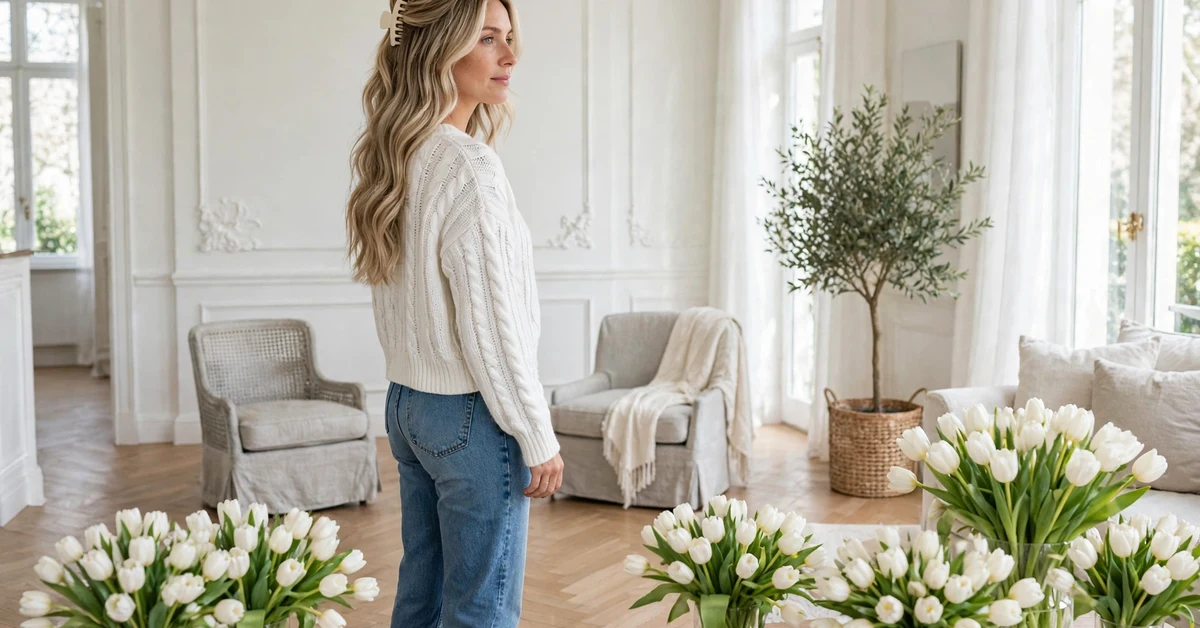
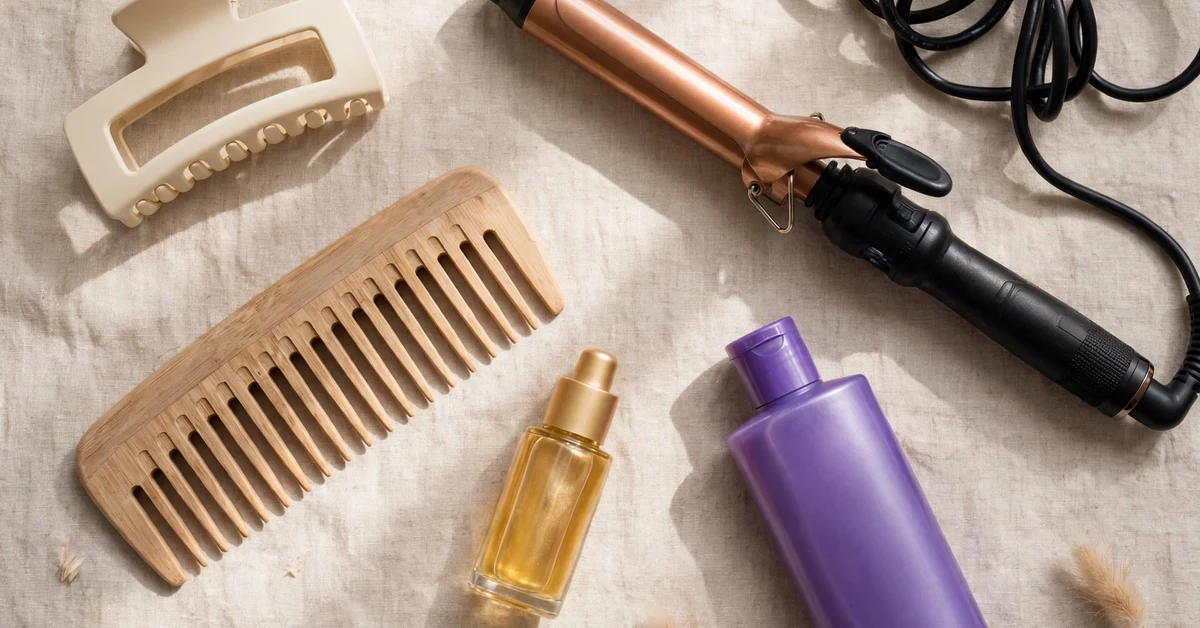
Start with a heat protectant on damp hair, then blow-dry with a round brush, lifting at the roots for gentle volume. Once dry, divide the hair into four sections. Take a large-barrel curling wand, about one and a quarter inches, and wrap each section away from your face, holding for eight to ten seconds.
The secret to soft waves is letting each curl cool completely before touching it. Once all sections are curled and cooled, run your fingers through to break them into loose waves. Finish with a light-hold spray and a drop of shine serum through the ends only, never at the roots, where it flattens volume.
For a heat-free option, braid damp hair into two loose braids before bed, or twist it into a low bun. In the morning, undo the braids, shake out the waves, and add a little texturising spray. The result is softer and more relaxed, perfect for everyday wear.
The Half-Up Claw Clip Look
The half-up claw clip style in the inspiration photo is one of the easiest ways to show off this colour. Gather the top section of your hair, from just above each ear upward, and twist it loosely once or twice. Secure it with a large cream or tortoiseshell claw clip, letting a few soft pieces fall free around your face.
The beauty of this style is that it displays both parts of the balayage at once: the darker roots and dimension on top, and the brighter, wavier lengths below. It keeps hair out of your face without the effort of a full updo, ideal for work, brunch, or a day out.
To keep the style from slipping, add texturising spray before clipping, and choose a clip with strong teeth matching your hair’s thickness. For very thick hair, two smaller crossed clips hold better than one large clip.
Beautiful Variations to Try
If you want to make this look your own, there are several beautiful directions to take it. A face-framing money piece, where the strands closest to your face are lifted a shade brighter, adds instant brightness in photos. A cooler beige, leaning toward mushroom blonde, suits those who prefer an ashier finish.
For a warmer take, ask for a hint of honey or champagne through the ends, which glows in summer light. Curtain bangs pair wonderfully with long layered balayage, and a few fine babylights through the crown add sparkle without changing the overall softness.
Seasonal tweaks work well too: slightly deeper and richer in winter, brighter and creamier in summer, all within the same beige blonde family, so the grow-out stays graceful.
How to Maintain the Colour
Colour care starts in the shower. Wash with lukewarm water and a sulphate-free shampoo made for colour-treated hair, two or three times a week rather than daily, using dry shampoo between washes. Over-washing is the fastest way to fade a toner.
A purple toning shampoo used once every week or two keeps the beige from drifting too warm, but do not overdo it: too much can push beige blonde toward grey or dull lilac. Leave it on for three to five minutes, then follow with a hydrating mask.
Book a toner refresh every six to eight weeks and a full balayage appointment every ten to twelve weeks. Protect the hair from heat with a protectant spray, and from the sun with a hat or UV spray in summer, since sun and chlorine both shift blonde tones.
Common Mistakes to Avoid
The most common mistake is going too light too fast. Lifting dark hair to pale blonde in one session often causes breakage and brassiness no toner can fully fix. Patience, and sometimes a second session, gives a far better outcome.
Another mistake is skipping the toner refresh. Balayage still needs maintenance, just less of it. Without regular glossing, the creamy beige fades and the hair starts to look yellow or dull. Think of the toner as a top-up, not an optional extra.
Finally, avoid heavy oils and silicone-rich products at the roots, which flatten the waves and make the colour look dull. Keep conditioning focused on the mid-lengths and ends, where balayaged hair needs the most moisture.
Frequently Asked Questions
How long does beige blonde balayage last? The balayage itself lasts ten to twelve weeks before the grow-out needs attention, but the toner should be refreshed every six to eight weeks to keep the beige creamy rather than yellow.
Will balayage damage my hair? Any lightening causes some stress, but balayage is gentler than full-head bleach because less hair is lifted and the roots are left alone. Bond builders, good aftercare, and realistic lifting goals keep damage minimal.
Can I get this look on dark hair? Yes, but it may take two sessions to reach a creamy beige safely, especially on very dark or previously coloured hair. Your stylist can plan a gradual journey that keeps the hair healthy.
Is beige blonde high maintenance? Compared with platinum or vivid colour, it is low maintenance. Expect a toner appointment every couple of months and a full refresh a few times a year, plus gentle at-home care.
Does it work on curly hair? Absolutely. Balayage looks gorgeous on curls, where each curl catches a different tone. Choose a stylist experienced with curly cuts so the layers suit your curl pattern.
Final Thoughts
Beige blonde balayage with soft layered waves is popular for a simple reason: it looks beautiful, grows out gracefully, and works for real life, not just photos. The creamy dimension flatters almost everyone, the waves add movement and softness, and the half-up claw clip makes it feel effortless. Take the inspiration photo to your stylist, ask for beige rather than ash or gold, and commit to a toner refresh every couple of months.